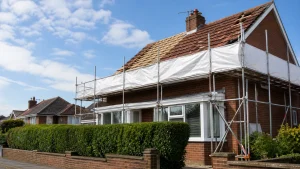
A professional roof inspection is something many homeowners only think about once a leak appears or visible damage becomes hard to ignore.
In reality, roofs tend to show subtle signs of wear long before any major issue develops. Spotting those early indicators can make a noticeable difference when it comes to repair costs and overall property upkeep.
In places that experience regular wind and rain, roofs are under constant pressure from the elements. Over time, even small weaknesses can develop into larger problems if left unchecked.
A professional inspection offers a more thorough way of understanding the condition of your roof before anything serious occurs.
What Is a Professional Roof Inspection?
A professional roof inspection goes beyond a glance from ground level or a look out of an upstairs window.
It is carried out by an experienced roofer who knows exactly where to look and what signs may point to underlying issues. This includes both visible damage and less obvious problems that could worsen over time.
The aim is not simply to find faults, but to assess the roof as a whole. That includes its materials, structure, and how well it is performing against weather exposure.
It may highlight areas that are still functional but beginning to show early signs of deterioration.
External Roof Assessment
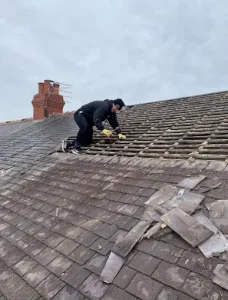
During the external part of the inspection, the roofer will usually examine the surface of the roof in detail.
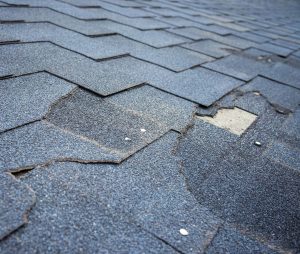
This involves checking tiles or slats for cracks, movement, or any sections that may have slipped out of place. Even a single missing tile can allow water to enter if conditions are right.
Attention is also given to areas such as ridge tiles, valleys, and edges where different sections meet.
These points often take the brunt of weather exposure and can become weak over time. Identifying issues here early can help prevent more widespread damage across the roof.
Inspection of Flashing and Roof Fixtures
Flashing is a key part of any roofing system, particularly around chimneys, skylights, and vents. These areas are more prone to movement and wear, which can cause gaps to form.
A professional inspection will check whether the flashing is still secure and properly sealed.
Roof fixtures are also assessed to ensure they are not contributing to potential leaks. For example, a poorly sealed vent or ageing skylight can allow water to seep through gradually.
These issues are not always obvious at first, which is why a closer inspection is often worthwhile.
Guttering, Fascias, and Soffits
A proper roof inspection does not stop at the tiles or slats. The guttering system is also checked to ensure it is clear and functioning correctly.
Blocked or damaged gutters can cause water to overflow, which may then affect the roofline or external walls.
Fascias and soffits are inspected for signs of rot, cracking, or general wear.
These components help protect the roof structure and support the guttering. If they begin to fail, it can lead to further issues that extend beyond the roof itself.
Internal Roof and Loft Inspection
The inspection typically continues inside the loft, where hidden issues are often easier to detect.
A roofer will look for signs of damp, staining, or mould, which may indicate that water is getting in. Even small patches can point to a developing problem.
Daylight coming through gaps in the roof is another clear warning sign. Structural timbers are also checked to ensure they remain solid and unaffected by moisture.
This internal assessment helps confirm whether the roof is performing as it should.
Checking Ventilation and Insulation
Ventilation plays an important role in maintaining a healthy roof space. If airflow is restricted, condensation can build up over time, leading to damp conditions.
A professional inspection will consider whether the loft is properly ventilated.
Insulation is also reviewed, as it can influence how moisture behaves within the space. Poorly installed or compacted insulation may contribute to condensation issues.
Addressing this early can help avoid long term damage to both the roof and the interior of the property.
Identifying Structural Concerns
Beyond surface level checks, a roofer will also consider the overall structure of the roof. Any signs of sagging or uneven lines may suggest deeper problems.
These issues can develop gradually and are not always easy to spot without experience.
Structural concerns do not always mean immediate failure, but they do require attention.
Catching them early can make repairs more manageable and prevent the need for larger scale work later on. It is often easier to correct a minor structural issue than to deal with a full replacement.
Reporting and Recommendations
Once the inspection is complete, the findings are usually shared with the homeowner in a clear and practical way.
This may include a breakdown of any issues discovered, along with photographs to show specific problem areas. Having this information makes it easier to understand what is happening with the roof.
Recommendations will depend on the condition of the roof. In some cases, only small repairs may be needed, while in others, more extensive work could be suggested.
The key is having a clear idea of what needs attention and when it should be addressed.
How Often Should You Have a Roof Inspection?
For most properties, having a roof inspection once a year appears to be a sensible approach. This allows any minor issues to be picked up before they develop further.
It can also provide reassurance that the roof is still in good condition.
Additional inspections may be worthwhile after periods of severe weather, particularly if there has been strong wind or heavy rainfall.
Older roofs may benefit from more frequent checks, as materials naturally weaken over time. Regular inspections can help extend the lifespan of the roof.
Conclusion
A professional roof inspection is a practical way to stay ahead of potential problems.
Rather than waiting for visible damage or leaks to appear, it offers a chance to understand the condition of the roof at an earlier stage. This can help avoid unexpected repairs and reduce long term costs.
Even if no major issues are found, the reassurance alone can be valuable. Knowing that your roof has been checked properly allows you to maintain your property with more confidence.
Over time, this kind of preventative approach is likely to make a noticeable difference.