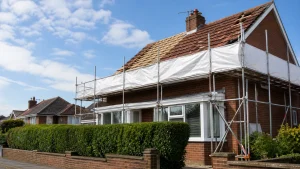
Storms can leave behind more than just fallen branches and scattered debris. While some roof damage is obvious straight away, a fair amount tends to stay hidden, quietly developing in the background.
From slightly loosened tiles to tiny gaps in waterproof layers, these small issues may not look serious at first glance, yet they can gradually lead to bigger problems.
Many homeowners only notice something is wrong when a leak appears or a ceiling stain spreads. By that point, the damage has often been present for weeks or even months.
Learning how to spot early warning signs after a storm can help you deal with problems before they become expensive and disruptive.
Why Storm Damage Is Not Always Immediately Visible
Strong winds can lift tiles just enough to disturb their position without knocking them off completely. From ground level, everything may appear fine, yet underneath, fixings may have loosened or protective layers may have shifted.
Over time, this leaves the roof more vulnerable to further weather.
Heavy rainfall can also find its way through very small gaps that were not there before. Flashing, felt, and sealants may crack or pull away slightly during a storm.
At first, this might only let in a small amount of moisture, which is easy to miss until it starts affecting internal materials.
Subtle Signs to Look for Inside the Property
One of the first places storm damage often shows up is inside the home. Damp patches on ceilings, walls, or around skylights can be an early indication that water is getting in somewhere.
These marks may appear faint at first and are sometimes mistaken for condensation.
You might also notice peeling paint, bubbling plaster, or a musty smell, especially in upstairs rooms.
In some cases, new mould growth appears in corners or along ceiling edges. These signs may suggest ongoing moisture issues linked to hidden roof damage.
External Clues You Can Spot From Ground Level
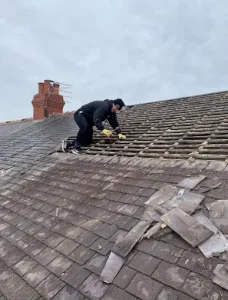
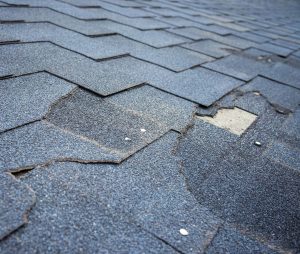
A careful look at your roof from the outside can sometimes reveal subtle changes. Slipped, cracked, or slightly uneven tiles are common after storms and may suggest movement beneath the surface.
Even small shifts can affect how water runs off the roof.
It is also worth checking gutters and roof edges. Debris, broken tile fragments, or an unusual build-up of granules from felt roofs can all be warning signs.
Bent flashing or loose sections around chimneys and valleys may also point to underlying issues.
The Importance of Checking the Loft Space
The loft is often the best place to spot early signs of roof damage. After a storm, it is sensible to take a torch and have a careful look, particularly during daylight hours.
If you can see sunlight coming through the roof covering, there is clearly a gap that needs attention.
Damp timbers, wet insulation, or dark staining on rafters are also important indicators.
These problems may not yet be visible in living areas, but can weaken the structure over time. A persistent musty smell in the loft is another clue that moisture is present.
When to Call a Professional Roofer
There are times when a professional inspection is the sensible option. If you notice recurring damp patches, multiple slipped tiles, or signs of structural movement, it is usually best to seek expert advice.
Roofers are trained to identify problems that are easy for homeowners to miss.
Safety is another important factor. Climbing onto a roof without the right equipment and experience can be risky, particularly after bad weather.
A qualified roofer can carry out a thorough assessment and recommend appropriate repairs without putting you in danger.
Preventative Steps After a Storm
Even if everything looks fine, arranging a post-storm inspection may be worthwhile, especially after particularly strong winds or heavy rain.
A brief check can highlight minor issues before they develop into major repairs. This approach often saves money in the long run.
Regular maintenance also plays a key role in prevention. Keeping gutters clear, checking flashing, and looking after fascias and soffits all help protect your roof.
While no roof is immune to storm damage, consistent care is likely to extend its lifespan and reduce unexpected problems.