The roof is one of the most important parts of any property, providing protection from the elements and helping to keep your home safe, warm, and dry. Despite its importance, many homeowners don’t often think about their roof until a problem occurs, such as a leak or broken tile.
This leads to a common question: how often should roof tiles be replaced?
The truth is, there isn’t a one-size-fits-all answer, as the lifespan of roof tiles depends on the material used, the environment, and how well the roof has been maintained over the years.
In this guide, we’ll look at the average lifespans of common roofing materials, signs that your tiles may need replacing, and ways you can extend the life of your roof.
Average Lifespan of Roof Tiles
Different types of roof tiles last for different lengths of time. Clay tiles, for instance, are incredibly durable and can last anywhere from 50 to 100 years when properly maintained.
Concrete tiles are slightly less long-lasting, typically performing well for around 40 to 60 years. Slate tiles, on the other hand, are known for their exceptional durability and can last up to 150 years in some cases.
It’s important to remember that these figures are averages rather than guarantees. Factors such as installation quality, climate, and upkeep all play a role in how long your tiles remain effective.
While the material provides a good starting point, regular inspections are essential to ensure that your roof is performing as it should.
Key Factors That Affect Roof Tile Longevity
The British weather is one of the biggest influences on roof tile lifespan. Heavy rain, frost, and even sea air in coastal towns can all take a toll on roofing materials over time.
Tiles can absorb water, and when this freezes, it causes expansion and eventual cracking. Coastal homes in particular may find that salt in the air accelerates wear and tear.
Installation quality also plays a vital role. Even the best tiles will not last their full lifespan if they are poorly fitted. Roof pitch and drainage are equally important; a well-designed roof allows rainwater to run off efficiently, whereas a flat or shallow pitch may put tiles under greater stress.
Finally, ongoing maintenance – such as keeping gutters clear and removing moss – helps to preserve the condition of the tiles.

Signs Your Roof Tiles May Need Replacing
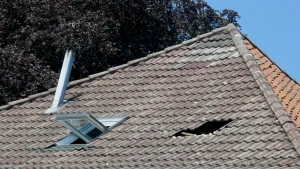
One of the most obvious signs that roof tiles need replacing is when they are cracked, broken, or missing altogether. Even a small number of damaged tiles can allow water to penetrate the roof, leading to leaks and damp patches inside the property.
Ignoring these issues for too long can result in expensive repairs to both the roof and interior.
Other warning signs include excessive moss growth, sagging roof sections, or tiles that have become loose after heavy winds. Indoors, damp ceilings, mould, or peeling paint can all point to a failing roof.
Spotting these issues early gives you a better chance of carrying out repairs before a full replacement becomes necessary.
Repair vs. Full Replacement
In some cases, repairing a roof is all that’s needed. Replacing a few broken or missing tiles can restore protection without the need for a complete overhaul.
This is often the most practical option if the majority of your roof is still in good condition and the problem is limited to a specific area.
However, there comes a point where frequent patch repairs are no longer cost-effective. If your roof is reaching the end of its expected lifespan, or widespread damage is present, a full re-roof may be the better long-term investment.
While more expensive upfront, it ensures peace of mind and avoids the cycle of constant repairs.
How to Extend the Life of Your Roof Tiles
Simple maintenance steps can make a big difference in prolonging the life of your roof. Regular inspections, particularly after storms or extreme weather, help to identify minor problems before they escalate.
Keeping gutters clean and free from debris also reduces the risk of water backing up and damaging tiles.
It’s also wise to address issues such as moss or algae growth, which can trap moisture against the roof surface. Ensuring flashing, fascias, and chimneys are kept in good condition further helps to protect the integrity of your roof.
A proactive approach to maintenance often means fewer repairs and a longer-lasting roof.

When to Call in a Professional Roofer
Working on a roof can be extremely dangerous, which is why most experts advise against DIY roofing repairs. Professional roofers not only have the right safety equipment but also the skills to spot underlying issues that the untrained eye may miss.
Attempting to fix a roof yourself can often lead to more damage and higher costs in the long run.
Hiring a qualified roofer gives you peace of mind that the work will be carried out to a high standard. They can advise whether a simple repair will be enough or if a full replacement is the more sensible option.
In addition, many professionals offer inspections and surveys, which are invaluable in assessing the overall condition of your roof.
Conclusion
Replacing roof tiles is not something homeowners need to worry about every few years, but it is worth understanding the average lifespans and recognising the warning signs.
With regular maintenance and professional advice, many roofs can last for decades before needing significant work.
The key is to remain proactive. Addressing small issues promptly, keeping your roof clean and well-maintained, and calling in a professional when necessary will ensure your roof continues to protect your home for years to come.
If you’re unsure about the condition of your roof, arranging an inspection is a great first step towards peace of mind.