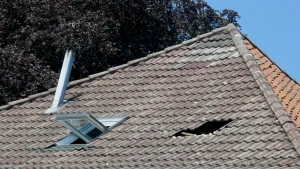
Your roof is the first line of defence against the elements, keeping your home safe and dry all year round. Over time, wear and tear can cause problems like leaks, broken tiles or structural damage.
When faced with roofing issues, many homeowners debate whether to fix it themselves or call in a professional. While DIY fixes may seem like a cost-effective solution, they come with risks that can lead to more damage and higher costs down the line.
Before you decide, you need to understand the difference between DIY and professional roof repairs. Some minor issues can be fixed with basic tools and a bit of research, while more complex problems require expert attention.
In this blog, we’ll look at when DIY might be an option, the risks involved, the benefits of hiring a professional and how to choose a trustworthy roofing contractor.
Assessing the Damage: When Can DIY Be An Option?
Not all roof repairs require professional intervention. If the damage is minor – like clearing blocked gutters, replacing a few loose tiles or sealing a small leak – homeowners with basic DIY skills can handle the job themselves.
With the right materials and safety precautions, small fixes can save you money and prevent minor issues from escalating. But research proper repair techniques and use the right tools to avoid making mistakes that can make the problem worse.
However, DIY should only be considered if the work is straightforward and doesn’t involve structural damage. A lack of roofing experience can lead to misdiagnosing an issue, and hidden problems will go unnoticed.
Before you attempt any repair, take the time to assess the damage and be honest with yourself if you have the skills and confidence to do the job safely and effectively.

The Risks of DIY Roof Repairs
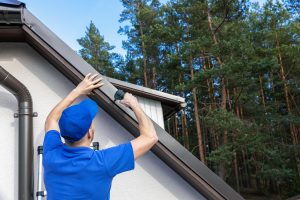
The biggest risk of DIY roof repairs is safety. Working at height without proper training or equipment is extremely dangerous, especially if the roof is steep or slippery. A simple misstep can result in serious injury, so use stable ladders, non-slip footwear and safety harnesses.
Handling heavy roofing materials or tools without experience increases the chance of accidents. Beyond safety concerns, DIY repairs can sometimes cause more harm than good. Incorrectly installed tiles, improper sealing or using the wrong materials can lead to further deterioration and cost more to fix in the long run.
In some cases, DIY work may also void manufacturer warranties or home insurance policies leaving you financially responsible for future damage.
The Benefits of Hiring a Professional Roofer
A professional roofer brings years of experience and technical expertise to the table, so they can diagnose the issue accurately and provide a lasting solution. Unlike DIY repairs which often focus on the surface problem, a qualified roofer can identify underlying causes – like poor ventilation, damaged underlayment or structural weaknesses.
This means repairs are not just quick fixes but durable solutions that extend the life of the roof.
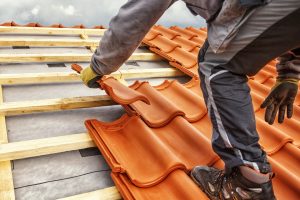
Professionals have access to industry-grade materials and specialized tools which can make a big difference in the quality of the repairs. From high-quality sealants to reinforced tiles, professional work is often more durable and aesthetically pleasing.
Most reputable roofing companies also offer guarantees on their work so you can have peace of mind that any issues will be addressed if problems arise in the future.
Cost Considerations: DIY vs Professional Repairs
At first glance, DIY roof repairs may seem like the cheaper option as they eliminate labour costs. But in reality, poorly executed fixes can lead to further problems and more costly professional intervention later.
If a DIY repair doesn’t fix the root problem the damage may worsen and lead to leaks, mould growth or even structural instability. Hiring a professional means the job is done right the first time and could save you money in the long run.
The cost of professional roof repairs varies depending on the extent of the damage, the materials used, and the complexity of the job. While a minor repair may be relatively cheap, more extensive issues can be costly, but they come with the assurance of proper workmanship.
When weighing up costs, consider both short-term savings and long-term investments in your roof.
How to Choose a Reliable Roofing Contractor
If you decide to hire a professional choosing the right contractor is key to getting quality work. Start by checking credentials such as certifications, insurance coverage and membership in industry associations.
A reputable roofer should also be willing to provide references from previous clients so you can verify their reliability and workmanship.
Additionally, you can read customer reviews and ask friends or family for recommendations to narrow down your options. Before any work is done request quotes from multiple contractors to compare prices and services.
Make sure any agreement includes a clear breakdown of costs, scope of work and warranty to protect yourself from any unexpected expenses.
Conclusion
Deciding between DIY and professional roof repairs depends on the damage, your level of experience and the risks involved.
While some minor fixes can be done yourself, larger or more complex issues are best left to trained professionals who can guarantee safety and long-term durability.
Ignoring serious roofing problems or doing inadequate repairs can lead to further damage and more expensive repairs down the track.
Ultimately your roof is part of your home and investing in professional repairs will give you peace of mind and protect your property from further harm.
Whether you choose DIY or professional services always put safety and quality workmanship first so your roof can remain in the best condition possible for years to come.